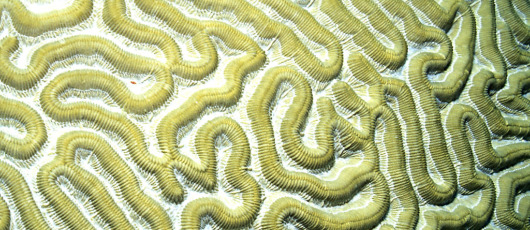
A team of biologists from Penn State found a rare species of algae proliferating in Caribbean corals as sea surface temperatures rose, displacing the coral’s own more-sensitive algae. The researchers observed the algae during a period in 2005 when Caribbean Ocean temperatures rose several degrees, stressing the corals.

The rare algae, called Symbiodinium trenchi, is tolerant of high and fluctuating temperatures, and was able to take advantage of the warmer temperatures while traditional algae species were expelled. According to the team, the species appears to have saved some coral colonies from the effects of warmer water temperatures, but the long-term impact of Symbiodinium trenchi on Caribbean coral populations remains to be seen.

“As ocean temperatures continue to rise as a result of global warming, we can expect this species to become more common and persistent. However, since it is not normally associated with corals in the Caribbean, we don’t know if its increased presence will benefit or harm corals in the long term.” – Todd LaJeunesse, Penn State Assistant Professor of Biology
Researchers found that during the bleaching event the rare algae species was found with increasing frequency (50% or more) within the coral species most sensitive to warm water. The species was also found in corals where it had never been before. Two years later, both the abundance and occurrence of Symbiodinium trenchi had been significantly diminished.
LaJeunesse expressed concern that the species might not be good for the corals in the long term if warming trends continue and the algae becomes more common. “Because Symbiodinium trenchi does not appear to have successfully co-evolved with Caribbean coral species, it may not provide the corals with adequate nutrition.”
Over the course of millions of years, certain species of algae have evolved to live in symbiotic relationships with specific corals, supplying the corals with energy and nutrients. Higher sea temperatures can lead to the expelling of the algae in the process called coral bleaching, leaving behind the bone-white coral skeletons that will die without their symbiotic algae.
The results of the study are published in the online version of the journal Proceedings of the Royal Society B.
You must be logged in to post a comment.